
-
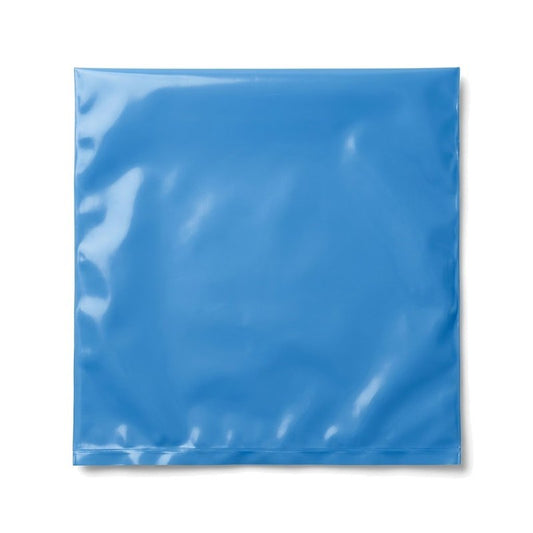
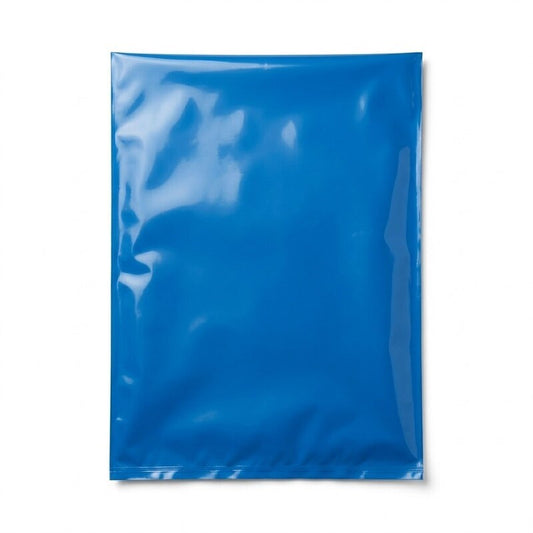
Blue LDPE Flat Bag 460 x 355mmPackage and store portioned ingredients and small food items with clear colour identification using this 460 x 355mm blue LDPE flat bag. The compact size suits individual portion packaging and ingredient batch storage at production stations where blue denotes a dedicated food stream. Soft...
-
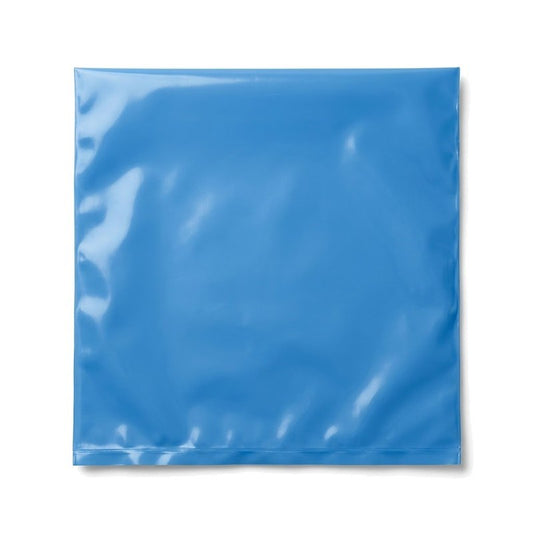
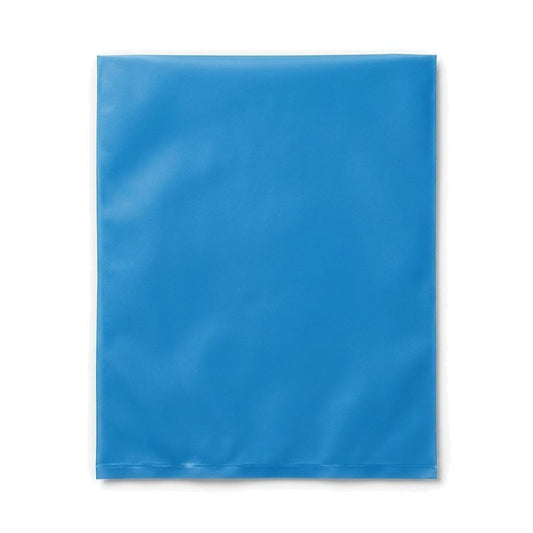
Blue LDPE Flat Bag 610 x 460mmPackage wider food items and line production bins with colour identification using this 610 x 460mm blue LDPE flat bag. At 55mm wider than the 610 x 405mm bag, it suits food items and bin openings that require a broader bag width. The wider...
-
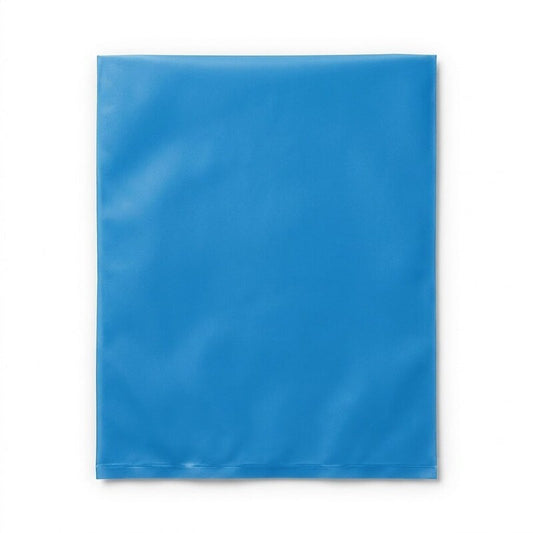
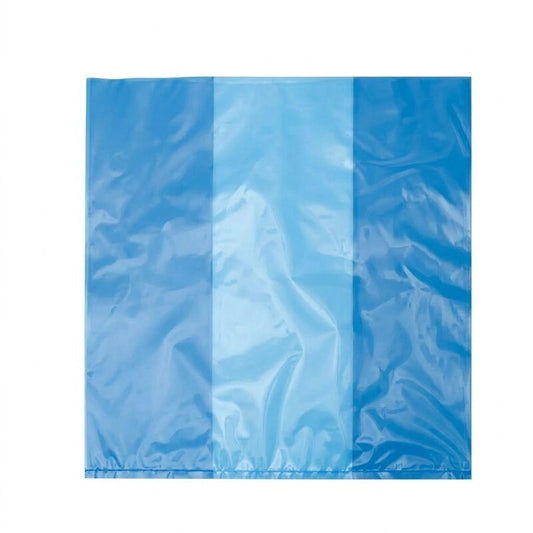
Blue HDPE Bag 910 x 610mmMaintain clear waste stream separation on the production floor with this 910 x 610mm blue HDPE bin liner. Blue colour coding identifies dedicated waste or ingredient streams at a glance, reducing cross-contamination risk in food manufacturing environments. HDPE film is firm and tear-resistant for...
-
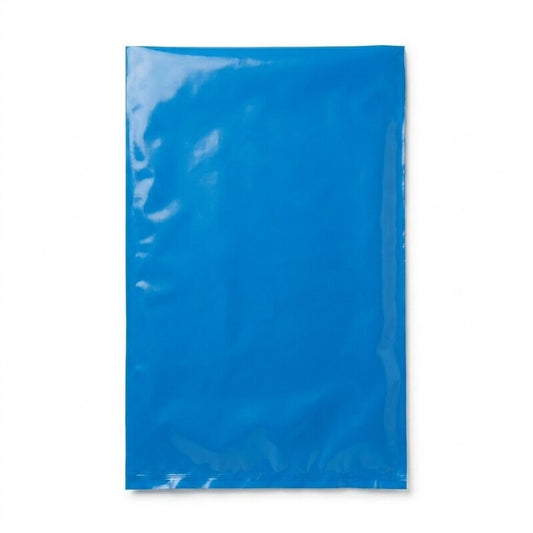
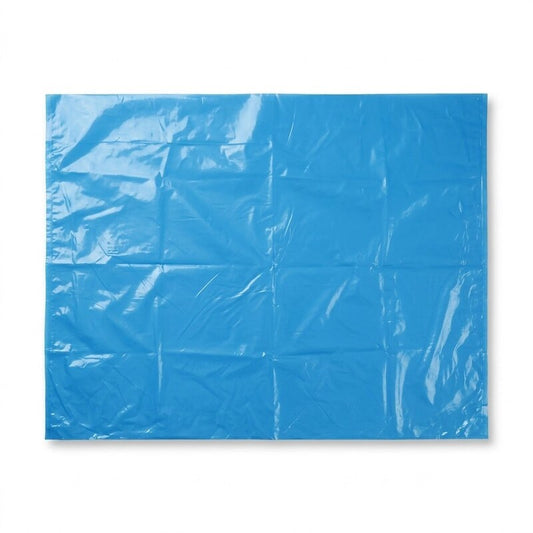
Blue LDPE Bag 990 x 555mmStore bulk ingredients and line large production bins with colour identification using this 990 x 555mm blue LDPE bag. At the top of the blue LDPE flat bag range, it handles volumes and bin sizes the smaller bags cannot cover. The large format suits...
-
Blue LDPE Bag 610 x 405mmStore medium food batches and packaged ingredients with colour coded identification using this 610 x 405mm blue LDPE flat bag. The taller 610mm format handles larger food items and batch quantities that the smaller 460 x 355mm bag cannot accommodate. The 405mm width provides...
-
Blue HDPE Bag 900 x 820mmLine wider production bins and bulk collection points with this 900 x 820mm blue HDPE bag. The 820mm width suits bins with a wider opening than standard, common in ingredient staging areas and bulk collection stations in food manufacturing. Blue colour coding maintains clear...
-
Blue Pallet Bag 1900 x 1245mm + 1195GIdentify and sort pallets instantly using blue colour-coded pallet bags. The 1900 x 1245mm size fits standard pallets and the blue film provides immediate visual differentiation from natural or black bags in busy logistics environments. Supplied on a perforated centre-folded roll for fast application....
-
Thick Blue Carton Liner Roll 760 x 960mmHandle wet, heavy, or irregular food loads without liner failures. This thick food grade blue LDPE carton liner roll fits large 760 x 960mm rectangular cartons used in meat, seafood, and produce packing. LDPE film flexes around irregular loads and resists punctures from bones,...
FREE SYDNEY METRO DELIVERY OVER $350 EX GST
(02) 9161 1633

Popular Searches
Popular Products
BOPP Bag 90 x 50 mm
- $66.43
- $66.43
- Unit price
- / per
BOPP Bag 90 x 70 mm
- $77.53
- $77.53
- Unit price
- / per
BOPP Bag 115 x 65 mm
- $85.83
- $85.83
- Unit price
- / per

Plastic Blue Bags
Blue plastic bags provide visual contrast for foreign material detection in food processing, meat packing and industrial applications. The distinctive blue colour stands out against most food products, making it easy to detect if bag fragments accidentally enter production lines. Made from strong HDPE and LDPE materials, these bags handle...
Blue plastic bags provide visual contrast for foreign material detection in food processing, meat packing and industrial applications. The distinctive blue colour stands out against most food products, making it easy to detect if bag fragments accidentally enter production lines. Made from strong HDPE and LDPE materials, these bags handle heavy loads and resist tears from sharp objects.
Available in flat bag and gusseted pallet bag formats to suit different applications from small product packaging to large pallet wrapping. The food-grade materials are suitable for direct contact with food products while maintaining strength for demanding industrial use. All sizes stocked in Sydney for fast Australian delivery.
7 sizes available from 460 x 355mm to 1900 x 1245mm, in HDPE and LDPE options. See the table below for details.
At a Glance
| Size Range | Dimensions | Pack Size | Best For |
|---|---|---|---|
| Small | 460 x 355mm to 610 x 460mm | 250-1,000/carton | Colour-coded parts, food handling, small waste |
| Medium | 760 x 960mm to 990 x 555mm | 200-500/carton | General blue-bag packing and liners |
| Large | 900 x 820mm to 1900 x 1245mm | 100-500/carton | Pallet and bulk applications |
Perfect for: Food processors requiring detectable packaging for food safety, meat and seafood operations protecting products during processing, and industrial applications needing visible colour-coded containment.
Product Details
Key Features+
- Distinctive blue colour enables easy detection of foreign material in food processing.
- HDPE and LDPE options provide strength and flexibility for different applications.
- Food-grade materials suitable for direct contact with food products.
- Seven size options cover small portions through pallet-sized containers.
- Strong tear resistance handles sharp objects and heavy loads.
- Flat and gusseted formats suit different packaging requirements.
- Consistent colour throughout ensures reliable detection capability.
- Leak-resistant construction contains liquids and prevents contamination.
- Easy to open and fill for efficient production line operation.
- Bulk carton quantities of 100 to 1,000 bags for cost-effective supply.
Why This Works for Food Processing+
For Food Processing Staff
- Blue colour stands out against food for easy fragment detection.
- Strong material handles sharp bones and heavy meat products.
- Food-grade film safe for direct contact with products.
- Easy to open and position in production workflows.
- Consistent quality reduces line stoppages from bag failures.
For Meat and Seafood Operations
- Leak-resistant material contains meat juices and fluids.
- Multiple sizes fit primals, portions and bulk packs.
- Strong enough for heavy cuts without tearing.
- Blue colour is easy to spot for food-safety detection.
- Compatible with cold storage and freezer environments.
For Quality and Safety Teams
- Visual contrast aids foreign material detection protocols.
- Consistent blue colour across production batches.
- Supports HACCP and food safety management systems.
- Easy to document and audit colour-coded packaging use.
- Reduces contamination risk in processed products.
For Facility Managers and Procurement
- Seven sizes cover most food processing requirements.
- Bulk cartons of 100-1,000 bags reduce ordering frequency.
- Australian stock ensures reliable supply without import delays.
- Consistent quality from established manufacturing partners.
- Bulk carton quantities for high-volume operations.
Use Cases+
Meat Processing
- Primal and sub-primal packaging.
- Portion control and retail packs.
- Bulk meat transfer and storage.
- Offal and by-product containment.
- Cold storage and freezer packing.
Seafood Processing
- Whole fish and fillet packaging.
- Shellfish and crustacean containment.
- Processing waste collection.
- Ice and water containment.
- Export and distribution packaging.
Food Manufacturing
- Ingredient transfer and storage.
- Work-in-progress containment.
- Equipment and tool covers.
- Waste and trim collection.
- Allergen segregation packaging.
Industrial Applications
- Colour-coded waste segregation.
- Parts and components protection.
- Equipment covers and protection.
- Pallet wrapping and covering.
Why Blue for Food Safety+
Blue is the colour of choice for food processing packaging because it rarely occurs naturally in food products. If a piece of blue plastic accidentally enters a food product, it is highly visible against the background of meat, poultry, seafood, dairy and most other foods. This visibility is critical for both visual inspection and consumer safety.
Many food safety management systems and HACCP plans specify blue packaging materials for this reason. Using blue bags demonstrates a commitment to food safety and provides an additional layer of contamination prevention beyond physical barriers alone.
The consistent blue colour throughout the bag material ensures detection capability is maintained even if the bag tears or fragments. This is why food processors choose purpose-made blue bags rather than simply using any available coloured packaging.
HDPE vs LDPE Blue Bags+
HDPE (High-Density Polyethylene): Thinner, stiffer material that provides excellent moisture barrier properties. Good for lighter products and applications where a crisp, firm bag is preferred. More economical for high-volume use.
LDPE (Low-Density Polyethylene): Thicker, more flexible material with superior puncture and tear resistance. Better for heavy products, sharp objects and demanding applications where extra durability is required.
Both materials are food-grade and provide the same blue colour for detection purposes. Choose HDPE for lighter applications and LDPE for heavier or more demanding use.
Technical Specifications
| Feature | Details |
|---|---|
| Materials | HDPE, LDPE |
| Sizes Available | 7 sizes from 460 x 355mm to 1900 x 1245mm |
| Colour | Blue (consistent throughout material) |
| Format | Flat Bag (most sizes), Gusseted (pallet bag) |
| Pack Quantities | 100 to 1,000 per carton (varies by size) |
| Food Grade | Yes |
| Leak Resistant | Yes |
| Tear Resistant | Yes |
| Foreign Body Detection | Visual detection via blue colour contrast |
| Storage | Cool, dry location away from direct sunlight |
Frequently Asked Questions
Why use blue bags in food processing?+
Blue is used because it rarely occurs naturally in food products. If a piece of bag accidentally enters a food product, the blue colour stands out and can be easily detected by visual inspection. This is a food safety best practice used in meat, seafood and food manufacturing facilities.
Are these bags food safe?+
Yes. Both the HDPE and LDPE blue bags are made from food-grade materials suitable for direct contact with food products. They are commonly used in meat processing, seafood packing, and food manufacturing applications where food safety is critical.
What is the difference between HDPE and LDPE?+
HDPE is thinner and stiffer, providing good moisture barrier at lower cost. LDPE is thicker and more flexible, with better puncture and tear resistance. Choose HDPE for lighter products and LDPE for heavy or sharp items. Both provide the same food-grade quality and blue colour.
Can I use these bags for freezer storage?+
Yes. Both HDPE and LDPE bags are suitable for cold storage and freezer applications. They remain flexible at low temperatures and maintain their strength and integrity. The bags will not become brittle or crack in normal commercial freezer conditions.
What is the pallet bag used for?+
The large gusseted pallet bag (1900 x 1245mm + 1195mm gusset) is used to cover and protect entire pallets of product. It fits over a standard pallet and can be secured at the base. This is used for dust protection, moisture barrier, and to maintain the blue colour-coding across bulk shipments.
How many bags are in a carton?+
Pack quantities range from 100 to 1,000 per carton depending on the size. Smaller bags come in higher quantities (up to 1,000), while larger bags come in smaller quantities (100-250). Check the specific product listing for exact pack quantities.
Why Zeropac & Related Products
Why Zeropac
- Australian stock held in our Sydney warehouse for immediate availability.
- Fast dispatch with orders shipped in days, not weeks.
- Consistent quality from established manufacturing partners.
- Seven sizes available covering most food processing requirements.
- Food-grade materials suitable for direct food contact.
- Technical support to help select the right size and material.
Related Products
- Carton Liners - Gusseted liners including blue options for cartons and boxes.
- HDPE Plastic Bags - General purpose HDPE bags in natural and blue.
- Vacuum Sealer Bags - Multi-layer bags for food preservation.
- Pallet Covers - Large format bags for pallet protection.
- Zip Lock Bags - Resealable bags for food storage and portion control.
Browse our full range of blue plastic bags with all sizes stocked in Sydney for fast Australian delivery. Need help selecting the right size for your food processing operation? Our team can advise on bag dimensions and material options.
Request samples or contact our team for help choosing the right product for your application. Sydney orders dispatch within 48 hours for fast Australian delivery.
Sidebar








- Choosing a selection results in a full page refresh.