
-
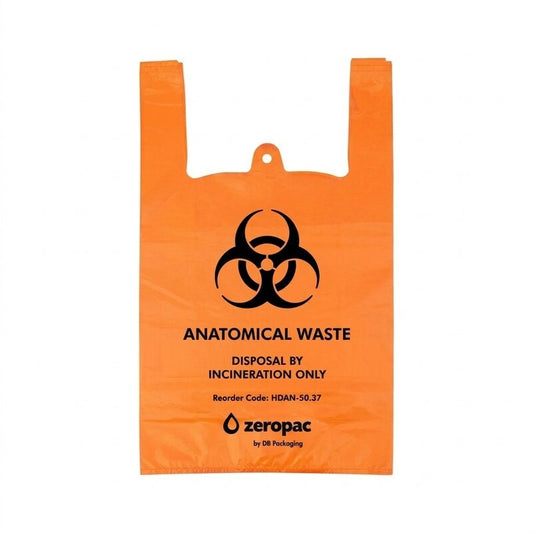
Anatomical Waste Bag 18 LitrePlace anatomical waste bags right where procedures happen. This 18 litre bag with a 120 mm gusset base fits small bedside bins and treatment room containers used in pathology labs, operating theatres, and specialist clinics. HDPE construction provides reliable containment for point-of-care anatomical waste...
-
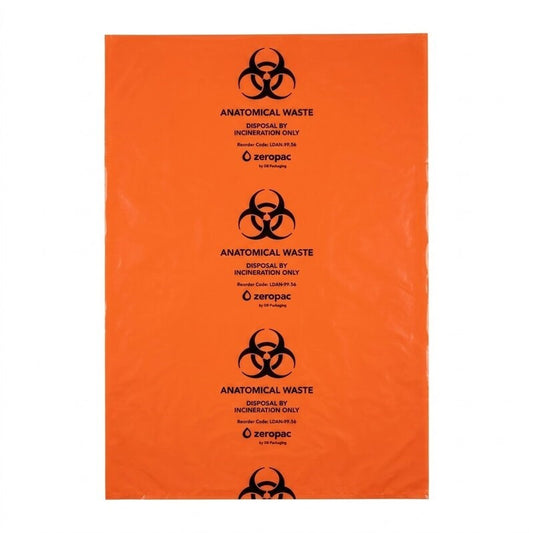
Anatomical Waste Bag 60 LitreHandle high-volume surgical waste with confidence. This 60 litre heavy duty bag is built for theatres and central collection areas where anatomical waste loads are large and bag failures are not an option. Heavy duty LDPE at 990 x 560mm resists tears and punctures...
FREE SYDNEY METRO DELIVERY OVER $350 EX GST
(02) 9161 1633

Popular Searches
Popular Products
BOPP Bag 90 x 50 mm
- $66.43
- $66.43
- Unit price
- / per
BOPP Bag 90 x 70 mm
- $77.53
- $77.53
- Unit price
- / per
BOPP Bag 115 x 65 mm
- $85.83
- $85.83
- Unit price
- / per

Anatomical Waste Bags
Orange anatomical waste bags for safe containment and disposal of human tissue, placentas and surgical specimens. This collection serves maternity wards, operating theatres, pathology laboratories and veterinary clinics handling anatomical waste requiring incineration. Every bag features orange colour coding for instant identification and correct waste segregation. Choose from two purpose-built...
Orange anatomical waste bags for safe containment and disposal of human tissue, placentas and surgical specimens. This collection serves maternity wards, operating theatres, pathology laboratories and veterinary clinics handling anatomical waste requiring incineration. Every bag features orange colour coding for instant identification and correct waste segregation.
Choose from two purpose-built sizes. The 18 litre bag with tie handles is designed for placenta disposal in birthing suites. The 60 litre bag accommodates larger anatomical waste from surgical procedures. Both are manufactured from leak-resistant materials and ship from Sydney with Australian stock ready for immediate dispatch.
2 sizes available from 500 x 250mm to 990 x 560mm, including gusseted tie-handle and open-top options. See the table below for details.
At a Glance
| Product | Dimensions | Pack Size | Best For |
|---|---|---|---|
| 18 Litre with Handles | 500 x 250 mm + 120mm gusset | 100/ctn | Placenta disposal, smaller tissue |
| 60 Litre | 990 x 560 mm | 50/ctn | Surgical specimens, limbs, larger waste |
Perfect for: Midwives and maternity staff disposing of placentas after delivery, surgical teams managing anatomical waste from theatre, and pathology technicians handling tissue specimens for incineration.
Product Details
Key Features+
- Orange colour coding provides instant visual identification for anatomical waste segregation across all healthcare settings.
- Tie handle closure on the 18 litre bag allows secure sealing by tying handles together without touching contents.
- Gusseted design on the smaller bag expands to accommodate irregular shapes while maintaining a compact footprint when empty.
- Leak-resistant construction from HDPE and LDPE materials prevents fluid escape during handling and transport.
- Purpose-built sizing matches specific clinical applications, from placenta disposal to larger surgical specimens.
- Puncture-resistant material withstands sharp edges and irregular anatomical waste without tearing.
- Orange colour coding is the recognised identifier for anatomical waste segregation in Australian healthcare.
- Bulk carton quantities of 50 to 100 units support efficient stock management for busy facilities.
- Australian stock availability means consistent supply from Sydney warehouse with fast dispatch.
Why This Works in Healthcare Settings+
For Midwives and Maternity Staff
- The 18 litre bag with handles is sized specifically for placenta disposal after vaginal and caesarean deliveries.
- Tie handles allow quick, secure closure without staff needing to touch the bag contents.
- Gusseted base expands to accommodate the placenta while keeping the bag stable during filling.
- Orange colour ensures immediate recognition in busy birthing suites where multiple waste streams exist.
- Compact size stores easily in delivery rooms without taking up valuable clinical space.
For Surgical Teams and Theatre Staff
- The 60 litre bag accommodates larger anatomical waste including amputated limbs and surgical specimens.
- Leak-resistant LDPE construction contains fluids from fresh surgical specimens during transport.
- Wide opening allows easy placement of irregularly shaped anatomical waste.
- Orange bags stand out clearly against yellow clinical waste bags in theatre waste stations.
- Heavy-duty material resists punctures from bone fragments and surgical instruments.
For Pathology and Laboratory Staff
- Both sizes suit tissue specimen disposal after examination and testing.
- Leak-resistant construction protects against fluid contamination during storage awaiting collection.
- Orange colour coding ensures correct segregation from general laboratory waste.
- Durable material allows temporary storage in specimen fridges without degradation.
For Facility Managers and Procurement
- Two size options cover the full range of anatomical waste applications without excess inventory.
- Consistent orange colour coding across both products supports facility-wide consistency.
- Carton quantities of 50 and 100 balance storage space with procurement efficiency.
- Sydney warehouse stock ensures reliable supply without long lead times.
- Single supplier for both maternity and surgical anatomical waste bags reduces vendor complexity.
Use Cases+
Maternity Wards and Birthing Suites
- Placenta disposal after vaginal deliveries in birth suites and labour wards.
- Placenta collection following caesarean sections in operating theatres.
- Umbilical cord and membrane disposal from deliveries.
- Products of conception from early pregnancy loss management.
Operating Theatres and Surgical Units
- Amputated limbs and digits from trauma and elective surgery.
- Tissue removed during tumour excision and debridement procedures.
- Organs and tissue from transplant and surgical procedures.
- Biopsy specimens after examination and diagnosis.
- Surgical specimens awaiting pathology collection.
Pathology and Diagnostic Laboratories
- Tissue specimens after histological examination.
- Organ samples following post-mortem examination.
- Anatomical material from teaching and research activities.
- Specimen disposal after retention periods expire.
Veterinary Clinics and Hospitals
- Animal tissue and organs from surgical procedures.
- Amputated limbs from veterinary surgery.
- Specimens from veterinary pathology examinations.
- Anatomical waste from animal autopsies.
How Anatomical Waste Bags Support Safe Disposal+
Anatomical waste requires separate handling from general clinical waste due to its biological nature and incineration requirements. Staff place anatomical material directly into orange bags at the point of generation, whether in a birthing suite, operating theatre or pathology laboratory. The distinctive orange colour ensures anatomical waste is never mixed with yellow clinical waste or purple cytotoxic waste, even in fast-paced environments.
The 18 litre bag with tie handles is designed specifically for placenta disposal. After delivery, the placenta is placed into the gusseted bag. Staff then tie the handles together to create a secure closure without needing to touch the bag contents or use additional ties. This simple closure method speeds up the process in busy birthing suites while maintaining infection control standards.
For larger anatomical waste, the 60 litre bag provides the capacity needed for surgical specimens and amputated tissue. The wide opening accommodates irregularly shaped waste, while the leak-resistant LDPE material contains fluids during temporary storage and transport to incineration. Both bag sizes are designed to be collected by licensed waste contractors for high-temperature incineration, completing the disposal chain from clinical area to final destruction.
Orange Colour Coding for Anatomical Waste+
Orange is the designated colour for anatomical waste across Australian healthcare facilities. This colour coding system allows immediate visual identification at every stage of the waste journey, from clinical generation through to incineration. Orange bags signal that contents require high-temperature destruction rather than standard clinical waste treatment. This visual distinction is critical in facilities where multiple waste streams are generated in close proximity. Yellow bags for clinical waste, purple bags for cytotoxic waste, and orange bags for anatomical waste can all be present in the same clinical area. The consistent use of orange across both bag sizes in this collection supports staff training and reduces the risk of incorrect waste segregation.
Technical Specifications
| Feature | Details |
|---|---|
| Materials | HDPE (18 Litre), LDPE (60 Litre) |
| Size Range | 500 x 250 mm to 990 x 560 mm |
| Capacity Range | 18 litres to 60 litres |
| Closure Types | Tie handles (18L), open top (60L) |
| Gusset | 120 mm (18 Litre only) |
| Colour | Orange |
| Pack Quantities | 100/ctn (18L), 50/ctn (60L) |
| Storage Requirements | Room temperature, dry conditions |
Frequently Asked Questions
What waste goes in orange anatomical bags?+
Orange anatomical waste bags are for human tissue, organs, body parts and other recognisable anatomical material requiring incineration. This includes placentas, amputated limbs, surgical specimens, biopsy tissue after examination, and products of conception. Anatomical waste is distinct from general clinical waste (yellow bags) and requires separate collection for high-temperature incineration.
Which bag size should I use for placenta disposal?+
The 18 litre bag with tie handles is designed specifically for placenta disposal. The gusseted base expands to accommodate the placenta, while the tie handles allow staff to seal the bag securely by tying them together. This size is ideal for birthing suites and maternity wards where placenta disposal is a routine requirement after each delivery.
Are the bags leak-resistant?+
Yes. Both bags are manufactured from leak-resistant materials to contain fluids from anatomical waste. The 18 litre bag uses HDPE and the 60 litre bag uses LDPE, both of which provide effective fluid containment during handling, temporary storage and transport to incineration. For added security, ensure bags are not overfilled and are sealed properly before moving.
How do I seal the 18 litre bag with handles?+
After placing the anatomical waste in the bag, gather the two handles and tie them together in a secure knot. This creates a closed top without staff needing to touch the bag contents or use additional cable ties or tape. The handle design allows quick, hygienic closure in busy clinical environments where time and infection control are priorities.
Why are anatomical waste bags orange?+
Orange is the designated colour for anatomical waste in Australian healthcare facilities. This colour coding system provides immediate visual identification, ensuring anatomical waste is segregated from general clinical waste (yellow), cytotoxic waste (purple), and other waste streams. Orange bags signal that contents require high-temperature incineration rather than standard clinical waste treatment.
Can these bags be used for veterinary anatomical waste?+
Yes. Both bag sizes are suitable for veterinary anatomical waste including animal tissue, organs and amputated limbs from veterinary surgical procedures. The same colour coding and disposal requirements apply to animal anatomical waste as human anatomical waste. Check with your waste contractor to confirm collection and incineration arrangements for veterinary facilities.
Can I order samples before committing to bulk quantities?+
Yes. Contact our team to request samples of either anatomical waste bag size. Samples allow you to verify sizing, material quality and handle function before placing larger orders. We dispatch samples from our Sydney warehouse and can typically ship within 48 hours.
Why Zeropac & Related Products
Why Zeropac
- Australian stock held in our Sydney warehouse for immediate availability.
- Fast dispatch with orders shipped in days, not weeks.
- Consistent quality from established supply chains you can rely on.
- Purpose-built sizing with bags designed for specific clinical applications.
- Bulk quantities with carton sizes of 50 to 100 units for efficient procurement.
- Technical support to help you select the right products for your anatomical waste protocols.
Related Products
- Clinical Waste Bags - Yellow bags for general clinical and infectious waste disposal.
- Cytotoxic Waste Bags - Purple bags for chemotherapy and cytotoxic drug waste.
- Pathology Specimen Bags - Clear specimen transport bags with document pouches.
- Dissolvable Laundry Bags - Water-soluble bags for contaminated linen.
- Body Bags - Heavy-duty bags for mortuary and funeral services.
Browse our anatomical waste bag collection above. Both sizes are held in Australian stock at our Sydney warehouse for fast delivery to hospitals, maternity units, surgical centres and veterinary clinics nationwide.
Need samples or help selecting the right anatomical waste bags for your facility? Contact our team for product guidance and sample requests. Orders dispatch from Sydney within 48 hours.
Sidebar


- Choosing a selection results in a full page refresh.